



From Garden to Home Series: Aloe Vera Edition
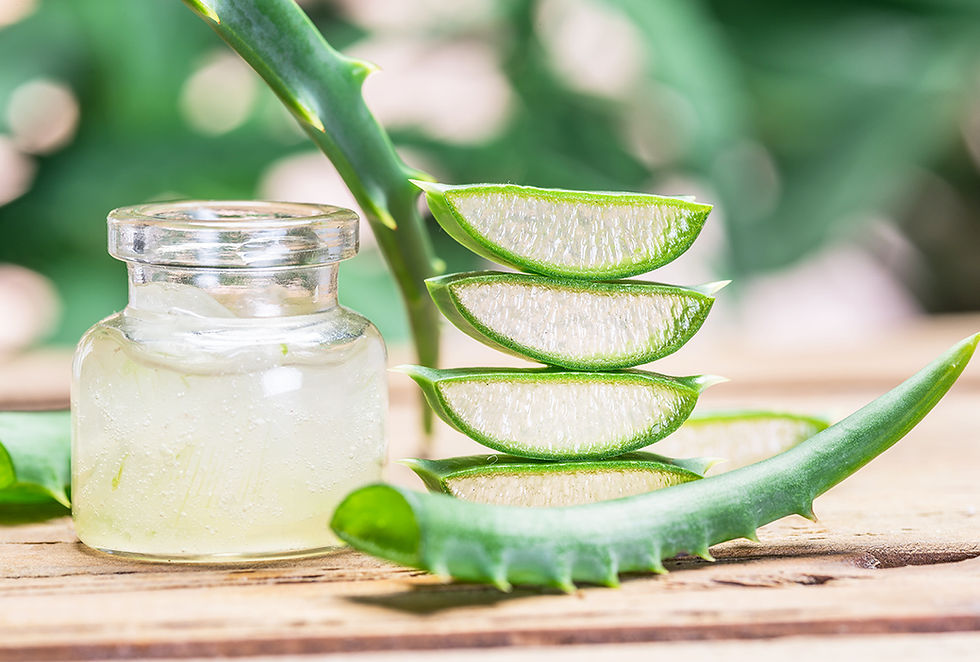
There’s something special about growing a plant that can be used in so many ways around the home. Aloe vera is one of those simple, beautiful plants that quietly earns its place in the kitchen windowsill or garden bed. For generations, families have used aloe for skin care, healing, wellness, and even household remedies — long before products with ingredient lists you can barely pronounce filled store shelves.
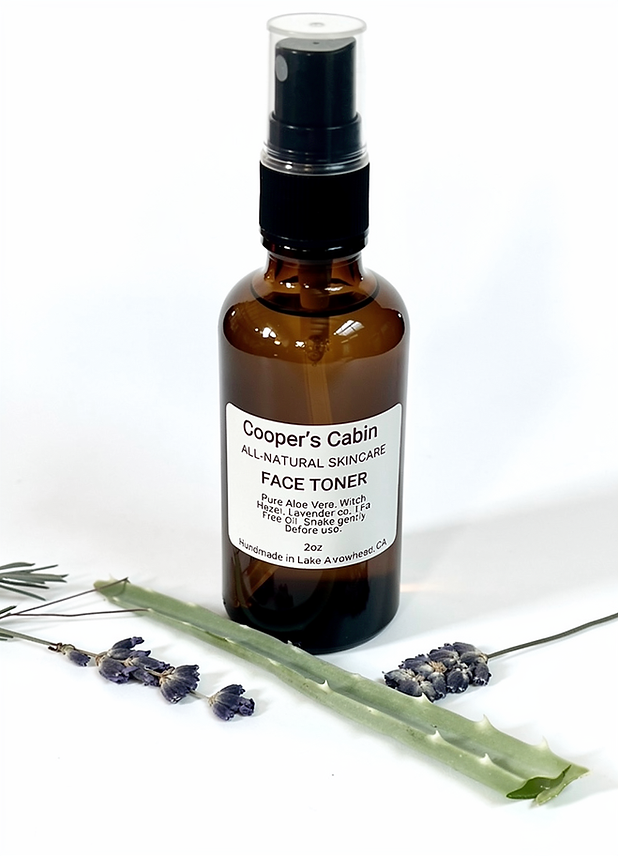
At Cooper’s Cabin, aloe vera is one of the gentle ingredients I use in my toner because of how soothing and refreshing it feels on the skin. It’s never about being flashy or complicated — just simple ingredients that support the body naturally.
Why Aloe Vera Has Been Loved for Centuries
Aloe vera contains vitamins, minerals, antioxidants, amino acids, and plant compounds that make it incredibly versatile. While it’s most known for soothing sunburns, its benefits go much deeper than that.
Skin Benefits
Aloe vera is often used to help support:
Skin barrier function
Skin moisture and hydration
Skin elasticity
Collagen content
Minor cuts, burns, and irritated skin
Its cooling gel can calm dry or angry skin while helping the skin feel refreshed and nourished.
Natural Antibacterial Properties
Aloe contains natural compounds that may help reduce certain bacteria on the skin, making it a wonderful addition to gentle skincare routines.
Accelerates Wound Healing
Many people use aloe on small cuts, scrapes, or burns because it may help support the skin’s natural healing process.
Dental Support
Some studies suggest aloe vera mouth rinses may help reduce dental plaque and soothe irritated gums or canker sores.
Digestive Support
Aloe latex has traditionally been used for constipation relief, though it should be used cautiously and in moderation. Always research carefully and speak with a healthcare professional before consuming aloe internally.
Blood Sugar Support
Research has explored aloe vera’s potential role in helping support healthy blood sugar levels. Because aloe can interact with medications or health conditions, it’s important to approach internal use carefully and thoughtfully.
How to Cut and Open an Aloe Vera Leaf
If you’ve never harvested aloe from a plant before, don’t worry — it’s simple.
Step-by-Step
Choose a thick outer leaf near the base of the plant.
Cut it close to the stem using a sharp knife.
Stand the leaf upright for 10–15 minutes to allow the yellow latex to drain out.
Wash the leaf thoroughly.
Slice off the spiky edges.
Carefully cut the leaf open lengthwise.
Scoop out the clear gel with a spoon.
Store fresh aloe gel in the refrigerator for a few days or freeze in ice cube trays for later use.
Simple Ways to Use Aloe Vera at Home
Cooling Skin Gel
Mix:
2 tablespoons fresh aloe gel
1 teaspoon coconut oil
Blend until smooth and apply to dry skin or after sun exposure.
Aloe Face Mist
Mix:
¼ cup aloe vera gel
¼ cup distilled water
A few drops of lavender or rose water
Store in a spray bottle in the refrigerator for a refreshing facial mist.
Aloe Hair Mask
Mix:
3 tablespoons aloe vera gel
1 tablespoon honey
1 tablespoon olive oil
Apply to hair for 20 minutes before washing.
Soothing Mouth Rinse
Mix:
2 tablespoons aloe vera juice
½ cup warm water
Swish gently and spit out.
A Simple Ingredient with a Purpose
One of the things I love most about aloe vera is that it reminds us we don’t always need complicated solutions. Sometimes the most helpful things are the ones quietly growing nearby.
That’s the heart behind so many products at Cooper’s Cabin — using simple, intentional ingredients that support everyday life naturally. Aloe vera is one of the soothing ingredients included in my toner because it pairs beautifully with a gentle skincare routine without overwhelming the skin.
Small steps. Simple ingredients. Thoughtful living from garden to home.


Comments